
Engineering
Engineering & System Validation
Design, simulation, and validation frameworks developed by AID Edge Inc., powering the Velorona decision layer.
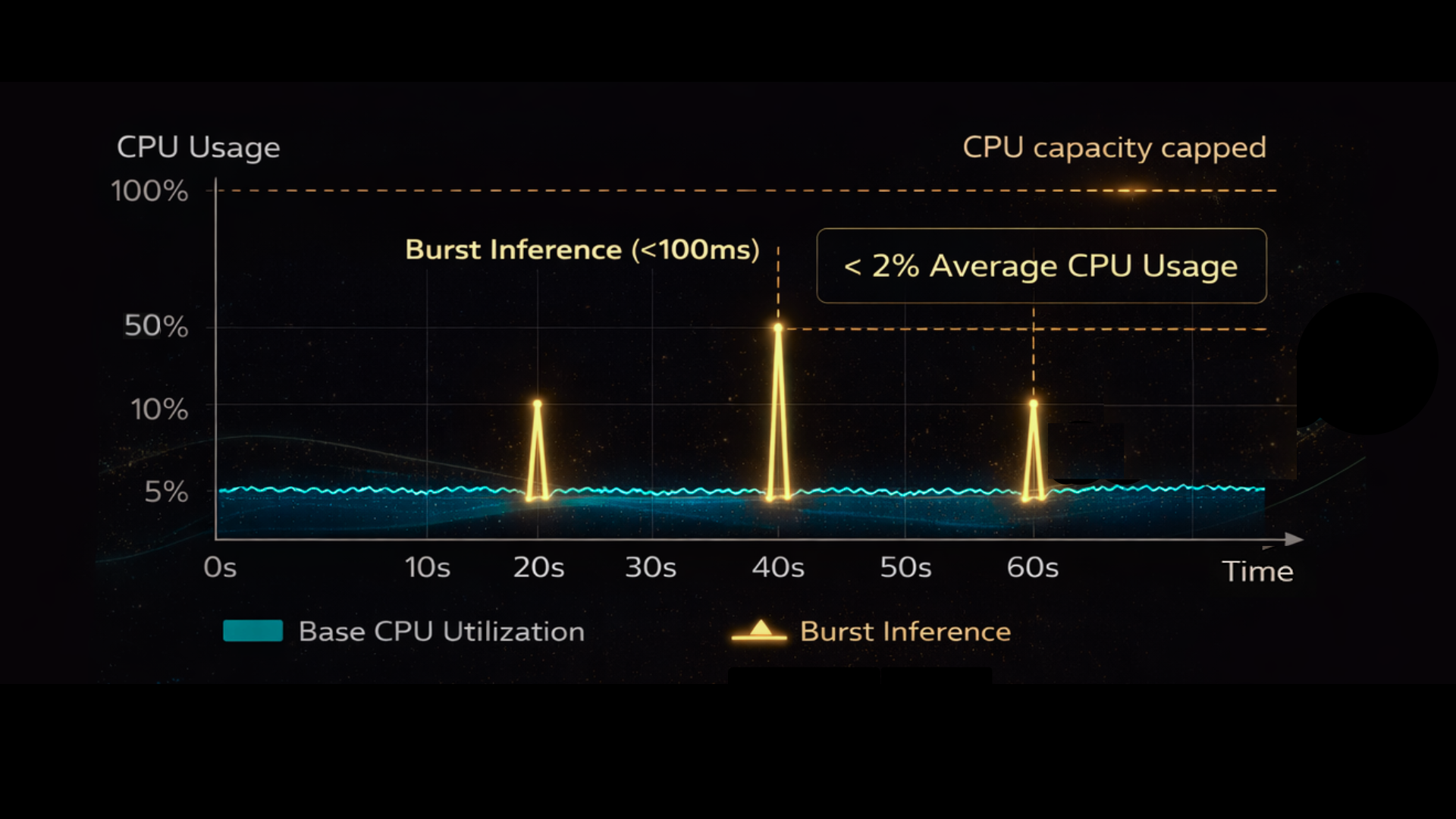
Ultra-Low Latency for Critical Connectivity
By processing data at the edge, Edge & Hybrid AI drastically reduces latency, enabling telecom networks and satellite systems to deliver secure, real-time communication.
Earlier Fault Detection
Edge intelligence identifies degradation patterns before conventional monitoring reaches escalation thresholds.
Resource-Aware by Design
Architecture designed to operate close to critical network telemetry without requiring infrastructure overhaul.
Engineering Foundation
AEI SDK, libraries, and architecture
The applied systems powering the Velorona decision layer and future products.
AEI SDK
AEI-SDK v0.9 — AI libraries designed with traceability and reviewability in mind, for secure, licensing-based integration into existing telecom infrastructure.
Reusable Libraries
Modular components shared across AID Edge’s Edge AI and decision-intelligence systems, built once and reused across engineering initiatives.
Edge AI Architecture
Resource-bounded, CPU-first inference paths designed to preserve operational stability without requiring infrastructure overhaul.
Resource-Aware Systems
Systems that step back under constrained conditions to preserve network forwarding, control, and service continuity.
Operational Demonstrations
Simulation-level validation of AID Edge’s decision architectures — the stage where research findings are checked against operational constraints before any production use.
Selected Open-Source Releases
AID Edge has developed 22 reusable engineering libraries within the AEI SDK. Selected, non-differentiating components are released publicly as they reach production maturity.
aei-3gpp-kpi-validator
A dependency-light Python validator for real 3GPP-standard telecom KPIs (RSRP, RSRQ, SINR, handover quality, NB-IoT power) — cites the actual TS specs, and states plainly what it does not implement.
These are selected public components from AID Edge’s internal engineering library ecosystem. Velorona’s proprietary decision-intelligence logic is not open-sourced.
Validation Approach
Where this engineering gets validated
Velorona validates this engineering against real recorded telemetry from live microwave radio hardware, not synthetic data — the product this engineering powers, not restated here.